Leading Polish candidates to debate on state TV six days before a national election
Oct 9, 2023
Leading Polish candidates are gearing up for a debate seen as a chance to sway undecided voters six days before an election many Poles believe is the most important one since communism was toppled in 1989
WARSAW, Poland (AP) — Leading Polish candidates are gearing up for a debate Monday where they hope to sway undecided voters, six days before a national election that many Poles believe is the most important one since communism was toppled.
Debates in Poland's post-1989 democratic era have in some cases sealed the destiny of candidates, creating a sense of anticipation surrounding the event.
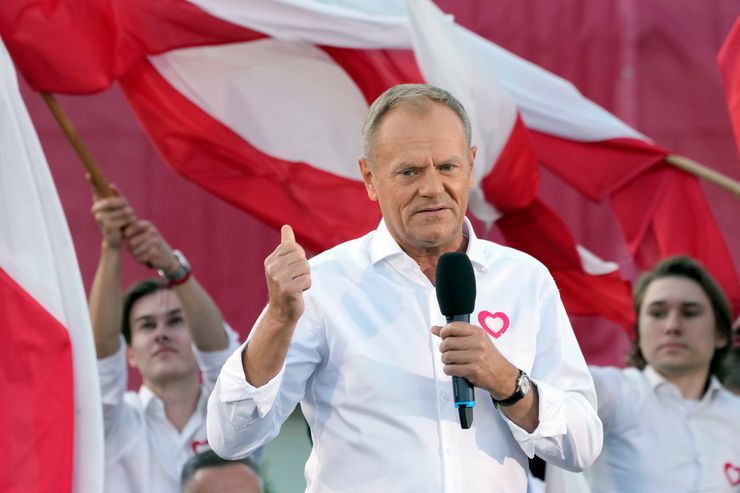
The ruling conservative Law and Justice party is leading in the polls with around 35% support, yet it is at risk of losing its majority in parliament. Its nearest rival, the Civic Coalition led by Donald Tusk, is just a few points behind but has gained momentum lately.
The Civic Coalition and two other opposition groups together have greater support than the ruling party, but they are weakened by not running together. Small swings in the performance of the smaller parties could shift the final result.
The debate will be broadcast starting at 6:30 p.m. (1630 GMT) by public broadcaster TVP, which is obligated by law to conduct such debates.
Since the Law and Justice party won power in 2015, it has used TVP as a mouthpiece to praise its own policies and people and vilify the opposition, most notably Tusk.
The debate gives Tusk a rare chance to address undecided voters and Law and Justice supporters on state media airwaves. But it was not clear how free he would be to speak.
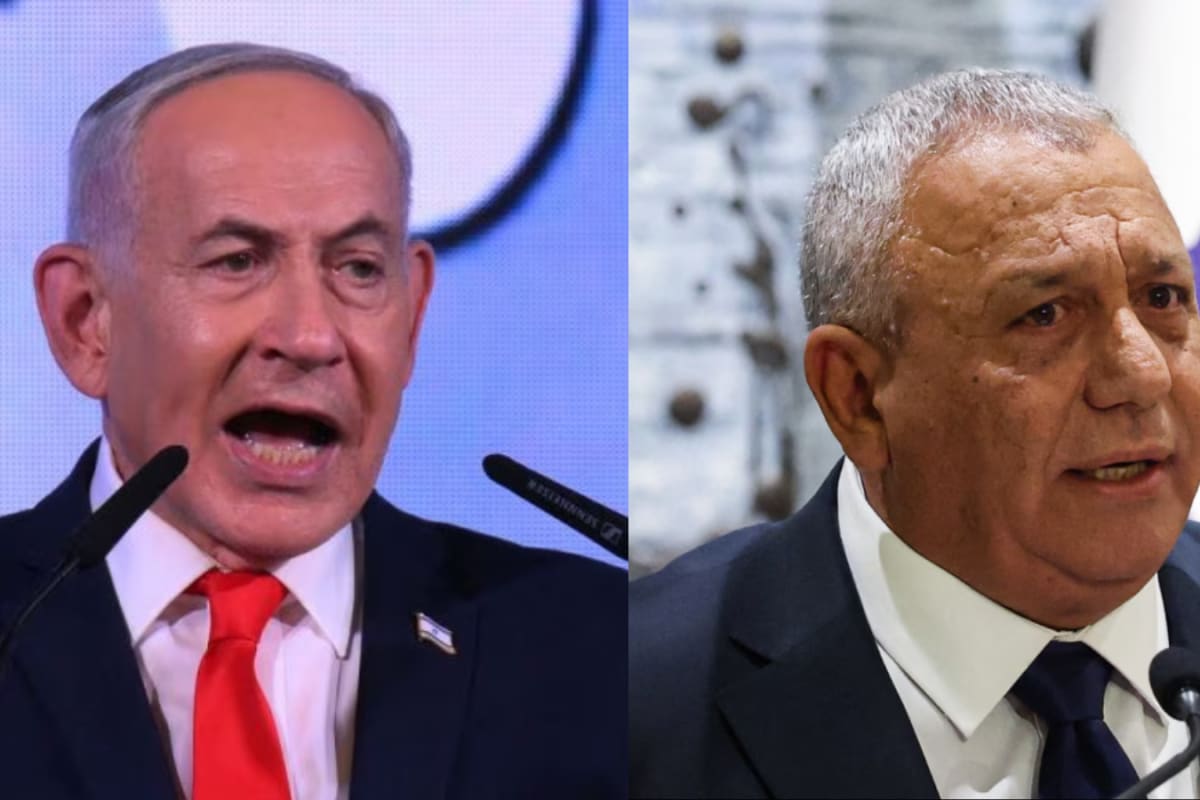
Notably absent from the debate lineup is ruling party leader Jaroslaw Kaczynski, the country's de-facto leader. He left Prime Minister Mateusz Morawiecki to represent their party.
Tusk and his allies accuse Kaczynski of eroding the democratic foundations of the country by taking control of the judiciary branch and public media, and putting the country on a path that could lead out of the European Union. Law and Justice insists it has no intention of leaving the EU. It is running on promises to safeguard the country's security after having built a high wall on the border with Belarus to keep out migrants.
Political commentators say Tusk stands to gain just by showing up in a forum hostile to him and friendly to Kaczynski. Tusk seized the opportunity last week to accuse Kaczynski of “hiding.”
A Tusk-Kaczynski debate in 2007 strongly impacted that year's parliamentary race. Kaczynski, the incumbent then too, and his party lost after Tusk came across as more in touch with the problems of regular people, knowing the prices of basic items when Kaczynski did not. Tusk also appeared more down-to-earth, inviting Kaczynski to “call me Donek,” the diminutive of Donald. His Civic Platform party won that election and governed Poland for the following eight years.
Others taking part include Szymon Holownia, the head of a centrist-agrarian coalition; Joanna Scheuring-Wielgus, a left-wing lawmaker representing her Left party; and far-right Confederation party co-leader Krzysztof Bosak.
They will be asked six questions and will additionally have one minute for free remarks.
TVP is imposing the conditions of the debate in a way that would help Law and Justice.
It was originally scheduled for the prime-time hour of 9 p.m. but was moved up to 6:30 p.m. when it became clear that Tusk would participate and Kaczynski wouldn't. The sides agreed it would be held in a rented studio on the far edge of Warsaw rather than in TVP's studio closer to the center. In-town location would make it easier for Tusk supporters to come and rally to greet him.
It is to last only one hour, with no audience, and will be followed by TVP's evening news program, giving the ruling party's mouthpiece the last word.
Just hours before the debate, Tusk's party lawmakers said TVP was reportedly changing the location and preparing space for pro-government audience, in violation of the written agreements.