
The Law Office of Craig A. Fahey: Social Security Adds 14 Conditions to Compassionate Allowances List — San Diego Disability Attorney Explains What Faster Approval Really Requires
Sep 23, 2026
San Diego disability attorney Craig A. Fahey explains what SSA's newly expanded Compassionate Allowances list means for applicants pursuing SSDI and SSI benefits.
San Diego, United States, September 23, 2026 -- On August 11, 2026, the Social Security Administration added 14 conditions to its Compassionate Allowances list, bringing the total to 314 diagnoses that can qualify for expedited disability review. San Diego Social Security disability attorney Craig A. Fahey says the update is good news for applicants with these diagnoses, but cautions that a listed condition still has to be proven the right way to actually result in approved benefits.
“Compassionate Allowances speeds up how quickly SSA can identify a case that clearly meets the disability standard, but it doesn't file the paperwork or gather the records for you,” said Craig Fahey, founder of The Law Office of Craig A. Fahey. “I still see claims with a qualifying diagnosis get delayed or denied because the medical documentation wasn't complete or wasn't submitted the way SSA needs to see it.”
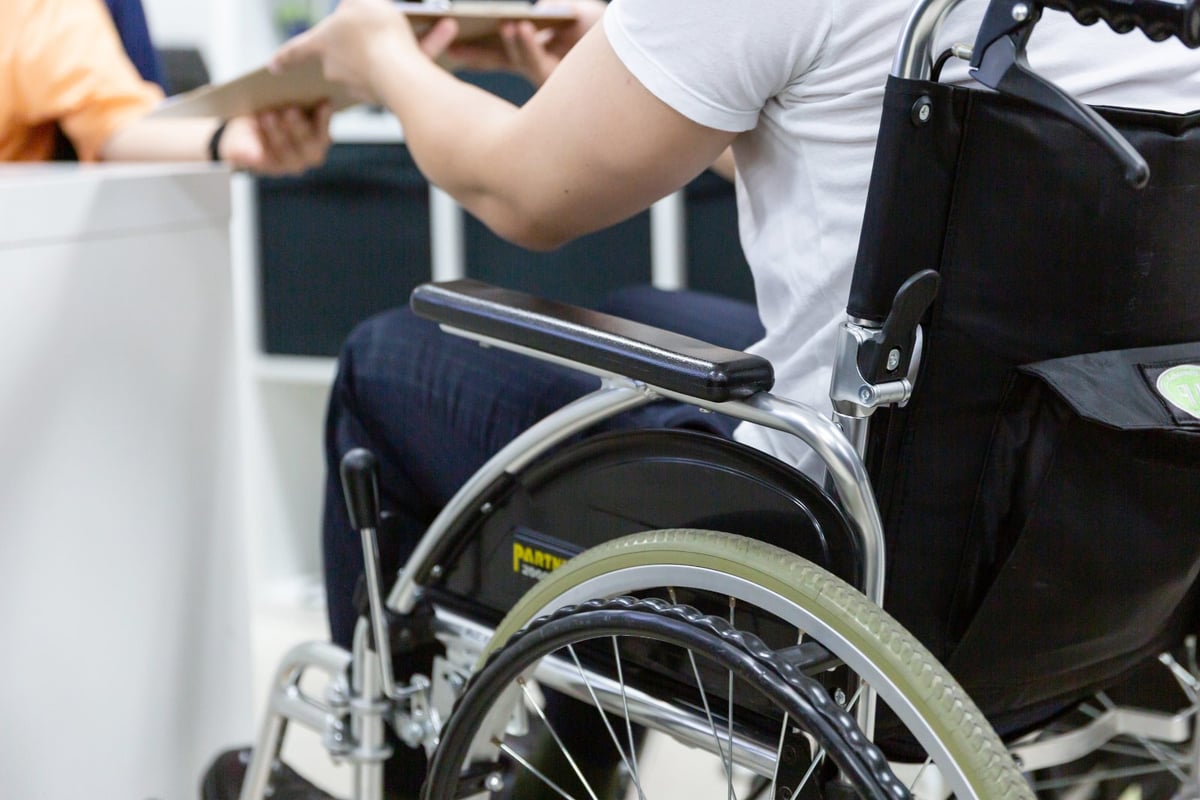
SSA's expanded Compassionate Allowances list can speed up disability claims, but applicants still need complete medical records to get approved.
What Changed on August 11
The newly added conditions include Aicardi Syndrome, Lafora Disease, Warburg Micro Syndrome, and several rare genetic and neurological disorders that primarily affect infants and children, along with aggressive cancers including primary cardiac sarcoma and metastatic uveal melanoma. Since the Compassionate Allowances initiative began, SSA reports that more than 1.2 million people with severe disabilities have been approved through the accelerated process.
SSA has also cut its initial disability backlog by more than 30 percent since 2024, and as of July 2026 was issuing initial decisions 34 days faster than the year before, according to the agency.
A Listed Condition Still Requires Proof
Craig Fahey emphasized that Compassionate Allowances is a processing shortcut, not an automatic approval. Applicants must still submit medical evidence establishing the diagnosis and its severity, and SSA's own guidance confirms that being diagnosed with a listed condition does not guarantee benefits. “The fastest cases I've handled were fast because the medical records told a clear, complete story from day one,” Craig Fahey said. “A missing test result or an incomplete specialist note can slow down even a Compassionate Allowances claim.”
A Team Built Around SSA's Own Process
Craig Fahey, a Social Security attorney based in San Diego, said his firm builds every case file around the specific medical documentation SSA judges rely on when deciding a claim, an approach shaped by years spent working directly inside the agency's own hearing process. That perspective guides how the firm prepares each case, from initial application through appeal, whether or not a client's diagnosis appears on the Compassionate Allowances list.
SSDI lawyer Craig Fahey represents clients on a contingency basis, and The Law Office of Craig A. Fahey charges no fees unless the case is won.
Frequently Asked Questions
What is the Social Security Compassionate Allowances list?
It's a list of severe diseases and medical conditions that SSA has determined clearly meet the statutory standard for disability, allowing those claims to be identified and processed faster. As of August 11, 2026, the list includes 314 conditions.
Does having a Compassionate Allowances condition guarantee disability approval?
No. It speeds up how quickly SSA can identify and process a qualifying claim, but the applicant must still submit medical evidence confirming the diagnosis and its severity, and meet SSA's other eligibility requirements.
What are the newly added conditions?
The 14 conditions added on August 11, 2026 include Aicardi Syndrome, Lafora Disease, Warburg Micro Syndrome, Bohring-Opitz Syndrome, primary cardiac sarcoma, and metastatic uveal melanoma, among others, many of which affect infants and children.
What should I do if I think my condition qualifies for Compassionate Allowances?
Contact a Social Security lawyer promptly to confirm eligibility and help gather the medical records SSA needs to verify the diagnosis. An SSDI attorney can also identify whether a related but unlisted condition may still support a faster review.
About The Law Office of Craig A. Fahey
The Law Office of Craig A. Fahey is a San Diego, California law firm focused exclusively on Social Security disability cases, including SSDI, SSI, and continuing disability reviews. Attorney Craig Fahey spent 15 years working alongside a retired chief judge of the SSA's San Diego hearing office and has recovered over $20 million in benefits for clients. The firm represents clients throughout San Diego on a contingency basis and charges no fees unless the case is won. Anyone searching for a disability lawyer is encouraged to contact the firm for a free consultation at (619) 280-6565 or visit sandiegodisabilitygroup.com.
Contact Info:
Name: Craig A. Fahey
Email: Send Email
Organization: Law Office Of Craig A. Fahey
Address: 4025 Camino del Rio S Ste 336, San Diego, CA 92108
Phone: (619) 280-6565
Website: https://www.sandiegodisabilitygroup.com/
Release ID: 89204257
In the event of any inaccuracies, problems, or queries arising from the content shared in this press release, we encourage you to notify us immediately at [email protected] (it is important to note that this email is the authorized channel for such matters, sending multiple emails to multiple addresses does not necessarily help expedite your request). Our diligent team will be readily available to respond and take swift action within 8 hours to rectify any identified issues or assist with removal requests. Ensuring the provision of high-quality and precise information is paramount to us.
More News











Recommended










Prince drops in on BBC's Graham Norton
YOUR NEWS, OUR NETWORK.
Do you have Great News you want to tell the world?
Be it updates about your business or your community, you can make sure that it’s heard by submitting your story to our network reaching hundreds of news sites across 6 verticals.