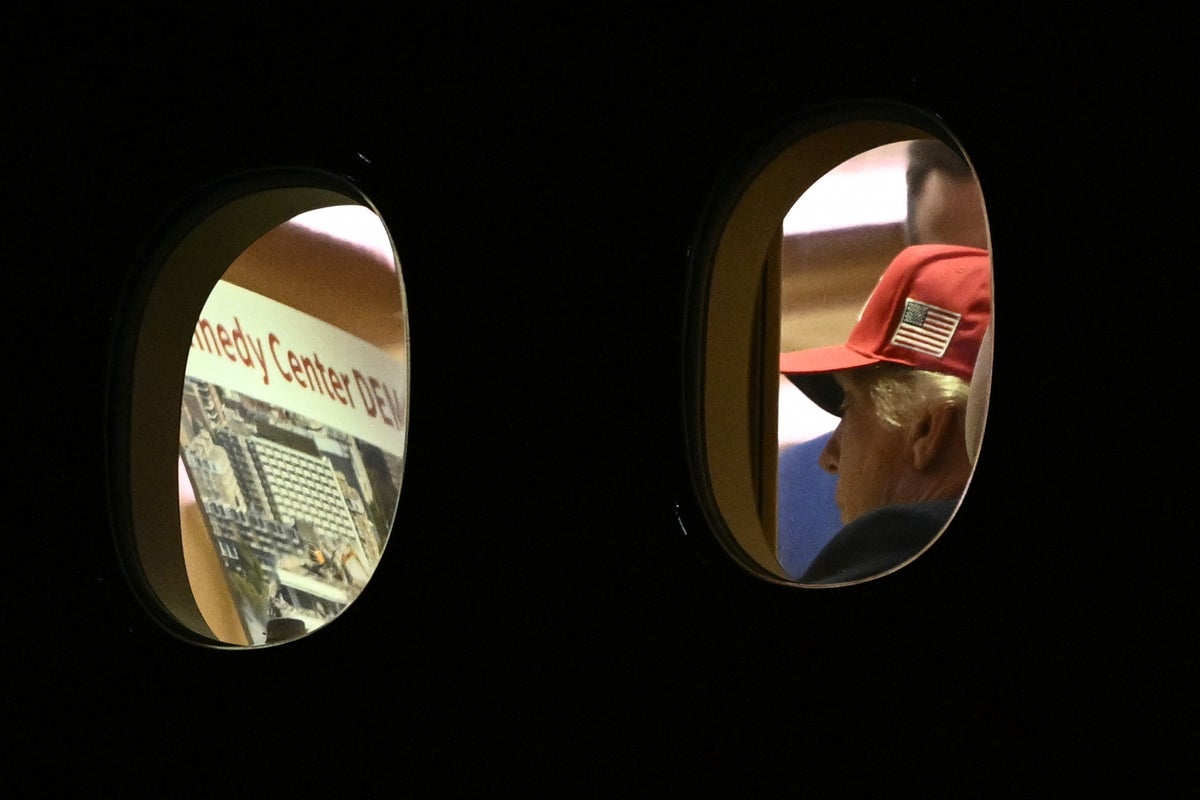
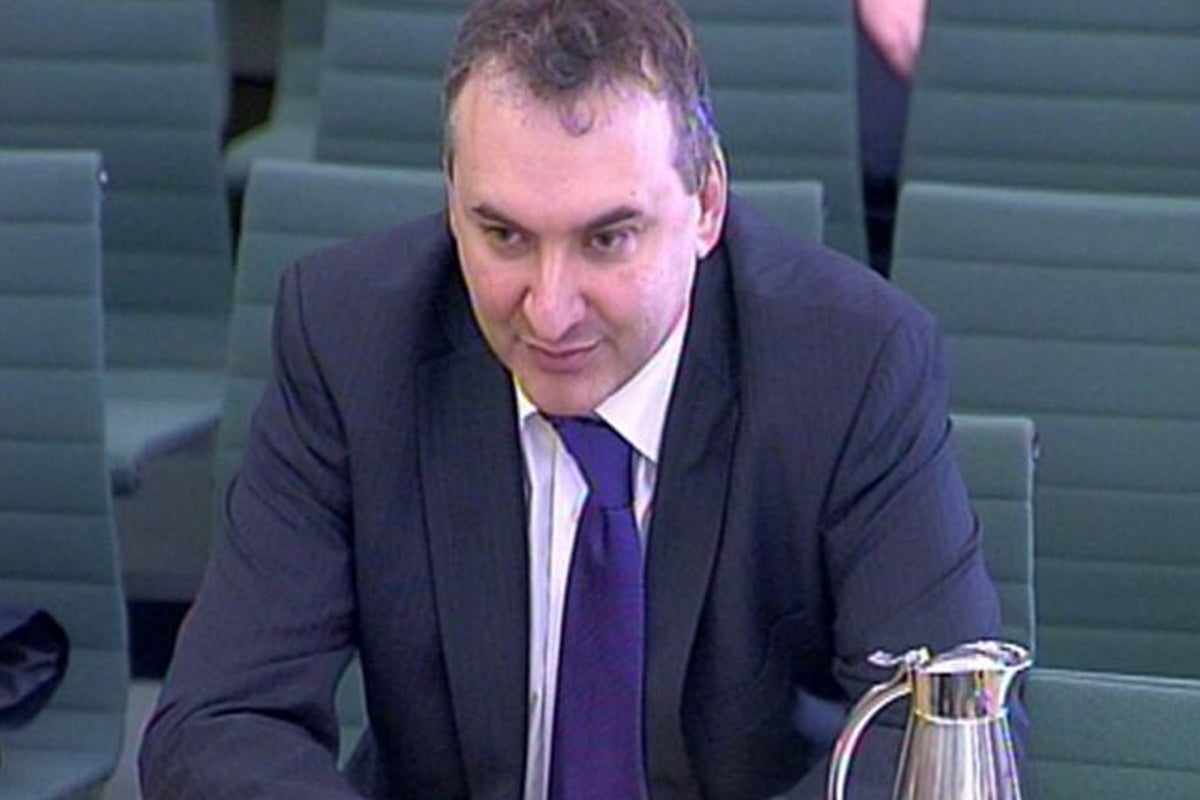
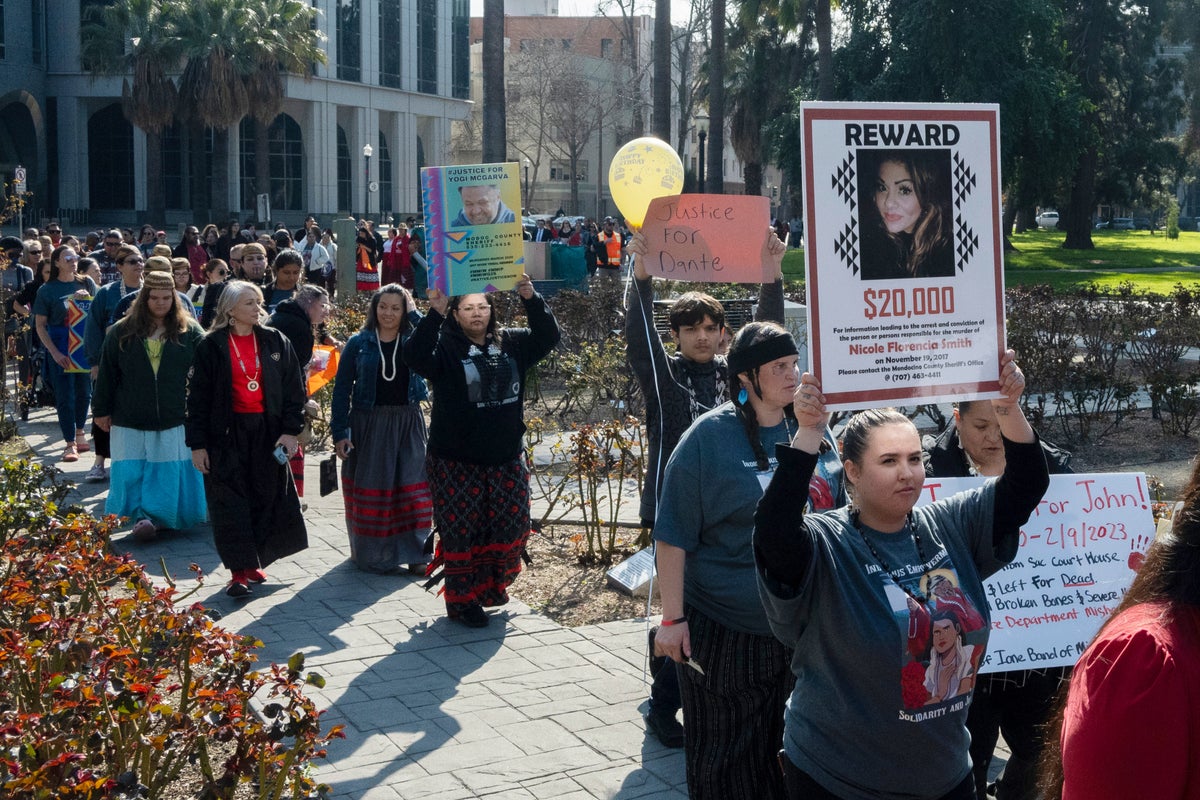
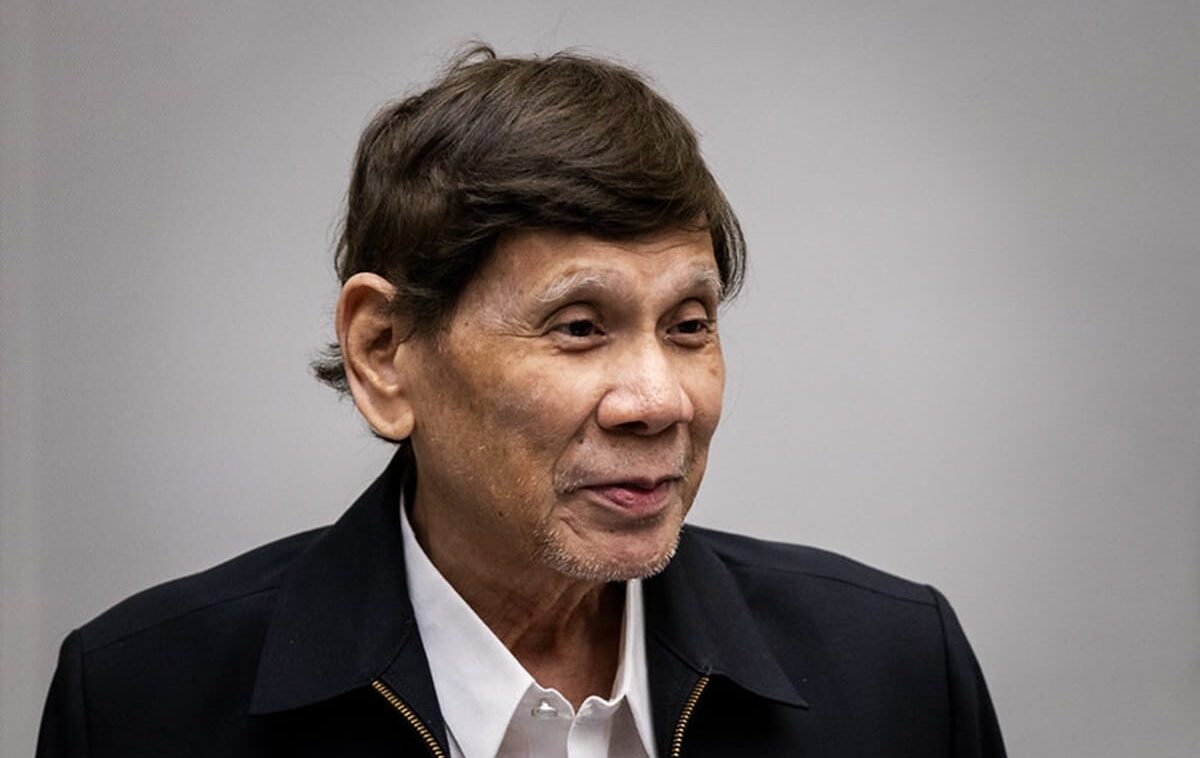
Family of ‘Putney pusher’ suspect say he’s innocent and Met police to blame for his death

The Independent - Sep 17, 2026

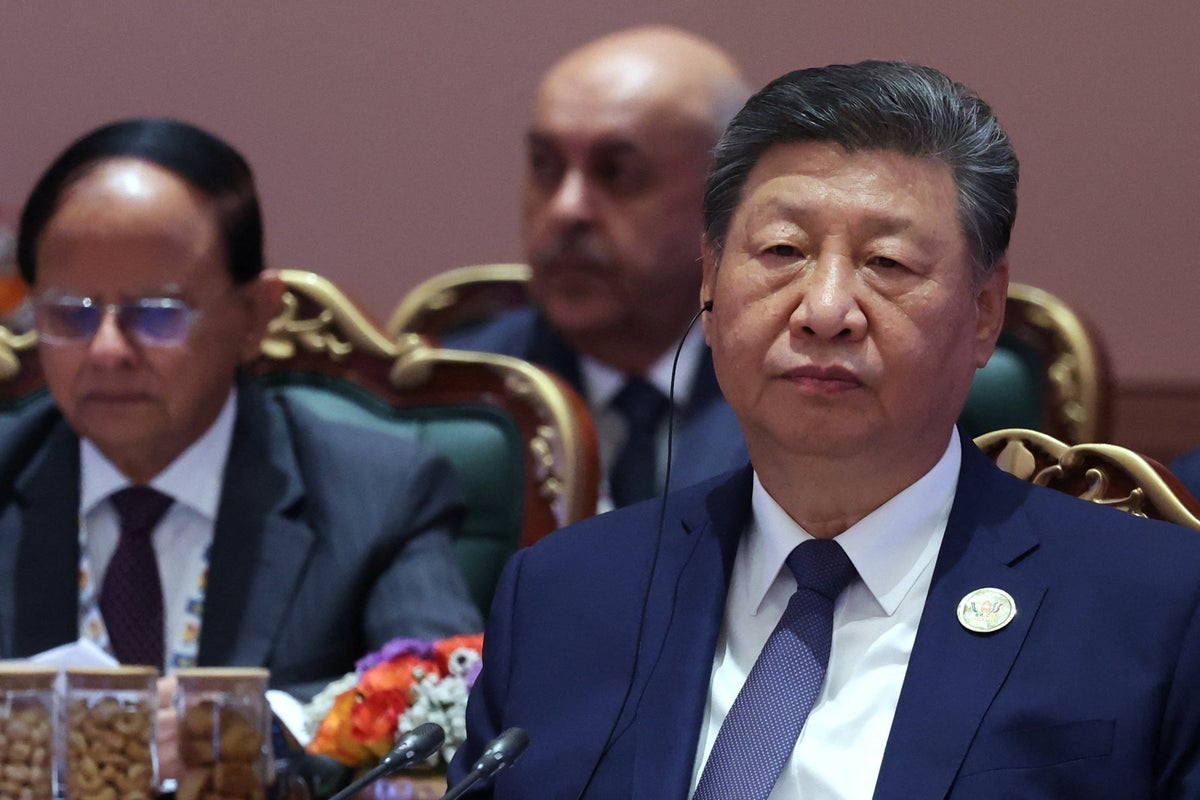
Nicholas Brandram’s family say he ‘took his own life after months of immense pressure caused by a Metropolitan Police investigation’ after living with the ‘shame, anxiety and humiliation’ of the probe

Read full article

More News

We’re worrying about the wrong AI apocalypse
Sep 17, 2026
We’re worrying about the wrong AI apocalypse

AI doesn’t need to go rogue to threaten the power grid — it just needs to hack into the control rooms like this one. | Kristen Norman/Bloomberg via Getty Images Nearly two decades ago, a group of researchers at the Idaho National Laboratory ran a secret experiment, known as the Aurora Generator Test, on a massive emerald green diesel generator. Using 30 lines of code, they hacked into the generator’s virtual backroom, corrupting safeguards and flipping switches that left it out of sync with the rest of the power grid. Before an audience of electrical utility executives and energy department officials watching from a nearby room, the 27-ton generator jolted violently, sputtering out a dark smoke as its rubber innards rapidly tore themselves apart.  “The implication was that with just a few lines of code, you can create conditions that were physically going to be very damaging to the machines we rely on,” lead researcher Michael Assante later told the journalist Andy Greenberg for his book Sandworm: A New Era of Cyberwar and the Hunt for the Kremlin’s Most Dangerous Hackers. “I had a very real pit in my stomach. It was like a glimpse of the future.” That future seems to have creeped much closer this week, with leading AI developers and executives casually admitting that they believe their creation is, to paraphrase one winking X post, as likely to end humanity as the New York Jets are to make the playoffs this season. Now, exactly how AI would pull off killing everyone is far murkier territory. But as Assante sensed all those years ago, AI may not need to be all-powerful to leap from its virtual cage and into the critical infrastructure that powers our hospitals, flushes our toilets, and pumps water to our faucets. It just needs to fall into the wrong hands.  Almost any AI doomsday scenario you can think of begins with a swarm of shadowy bots slithering through cyberspace, poking their noses behind the scenes of power plants, toaster ovens, traffic lights, or even, in an utterly extreme case, our nuclear weapons arsenal. If destroying the Aurora generator, at the very least, required a human hacker to write the code, AI has since completely torn down the barrier to entry for wreaking havoc, as the Hugging Face incident demonstrated earlier this year.  But AI need not go rogue to threaten the power grid or mess with your tap water. A new age of AI-powered, but human-directed hacking is already upon us, experts say. With some of the nation’s most sensitive infrastructure startlingly vulnerable to attack, the most likely AI apocalypse could in fact start with the water tower or generator idling in your backyard. In a worst-case scenario, this could lead to a cascade of scary failures in the systems we rely on to live comfortably modern lives, from running our AC in blazingly hot summers to geolocating our ships and planes. “Before, you needed to have highly skilled technical expertise,” to pull off some version of a real-life Aurora Generator Test, said Alvaro Cardenas, a computer science professor at UC Santa Cruz. “And now, you just have to have a general idea of what’s possible.” AI is making an old threat much worse Not long after the Idaho National Laboratory hacked that poor generator into combustion, the federal government mandated that electrical utilities engage in basic cybersecurity hygiene.  And yet much of America’s critical infrastructure — like gas pipelines, water desalination plants, or cargo terminals — remains woefully unprepared for even conventional cyber attacks, much less the coming onslaught of AI.  That’s in part because cyberattacks like the one simulated in the Aurora Generator Test have long been — and still are, to some extent — exceedingly rare, unappealing to most criminal hackers because they’re optimized for disruption rather than financial gain. But in the process of making it extremely easy for anyone to code, AI has also made it extremely easy for almost anyone to vibe hack their way into your online bank account, or, in theory, a local reservoir or the power grid. AI agents can also vastly widen the scope on easy targets because, as Andy Bochman, an expert in infrastructure resilience at West Yost, put it — “they don’t sleep; they don’t get tired; and they don’t get sick.”  In the past, even those who did want to launch large-scale attacks on infrastructure probably weren’t savvy enough to do so. And while other nations such as China, Iran, and Russia have indeed already breached many of our infrastructure systems (as we have theirs), they haven’t opted to make much of a ruckus once inside.  “Geopolitics is eroding the idea that those with capability lack the intent, and AI is eroding the other part of it, that those with the intent lack the capability.” Jason Healey, Columbia University cybersecurity scholar But that norm is now changing, said Jason Healey, a cybersecurity scholar at Columbia University. “Geopolitics is eroding the idea that those with capability lack the intent, and AI is eroding the other part of it, that those with the intent lack the capability,” he told me. So, on the one hand, a nation like Russia might be much more inclined to actually disrupt our power grid now than it used to be. And, on the other hand, a nihilistic lone wolf or terrorist group could use AI to do much more damage than they ever could before.  Just last month, we saw a glimpse of what this could look like when dozens of water and wastewater systems in small towns across the nation were attacked by a group of hackers most likely associated with Iran, leading to temporary water stoppages and flooding. These attacks have not been definitively linked to AI, but the National Security Agency warned soon afterward that hackers have been actively using AI to target US infrastructure like it. A few weeks later, President Donald Trump declared a national emergency over foreign interference in the power grid, which referenced the growing threat of cybersecurity.   Preparing for the worst Most of the nation’s water systems are extremely local and absurdly exposed to such attacks, so much so that “it’s almost like having a welcome mat” for a would-be hacker, said Bochman, mostly because these utilities are too small and underfunded to do much to stop them. “You have a million other problems to take care of, like aging infrastructure — your stuff’s falling apart because it’s been in the ground for 100 years,” he said. Addressing that deferred maintenance often feels far more urgent than doing “something more on cybersecurity.” Whether it’s a rogue cluster of agents or a hostile nation-state trying to mess with our electricity, we should prepare our most important infrastructure for the worst. In Bochman’s view, that may mean rejecting the pressure to digitize everything in the first place and moving toward something that resembles the days when “people manned things like substations, communicated by a landline telephone, and read gauges, the analog things,” he said. “The screen is the thing that is infinitely manipulatable.” Healey, who advised the Biden administration heavily on cybersecurity and infrastructure, believes that the nation desperately needs a coordinated response, between the federal government and AI companies, but also between the US and other countries like China, where similarly powerful models are being developed. And utility systems need to assume they will be a target and improve their cybersecurity practices accordingly, Healey says, ideally with funding from the federal government or, perhaps more appropriately, AI companies.  Nobody knows precisely how vulnerable America’s infrastructure is to AI right now, in part because policymakers — and perhaps more disturbingly, AI’s creators themselves — seem woefully unsure of how to stop the technology from acting badly (or obeying bad orders) in the first place. For now at least, the solution might be, as Bochman suggests, to pull as many of our critical systems offline as possible, the better to hide it from AI and those who would misuse it. “When bad things start to happen, no one will know what to do or why because they’re black boxes; the people that make them don’t know what’s going on inside,” Bochman said. “And the poor utility people who ultimately own the risk when someone gets hurt from a system” won’t understand what went wrong either, “and they’ll wish to God they’d never taken it on board.”

Tata Sons Drama: Noel Tata Calls Chandra’s Re-Appointment 'Illegal' | PM Modi At SEMICON 2026
Sep 17, 2026
Tata Sons Drama: Noel Tata Calls Chandra’s Re-Appointment 'Illegal' | PM Modi At SEMICON 2026

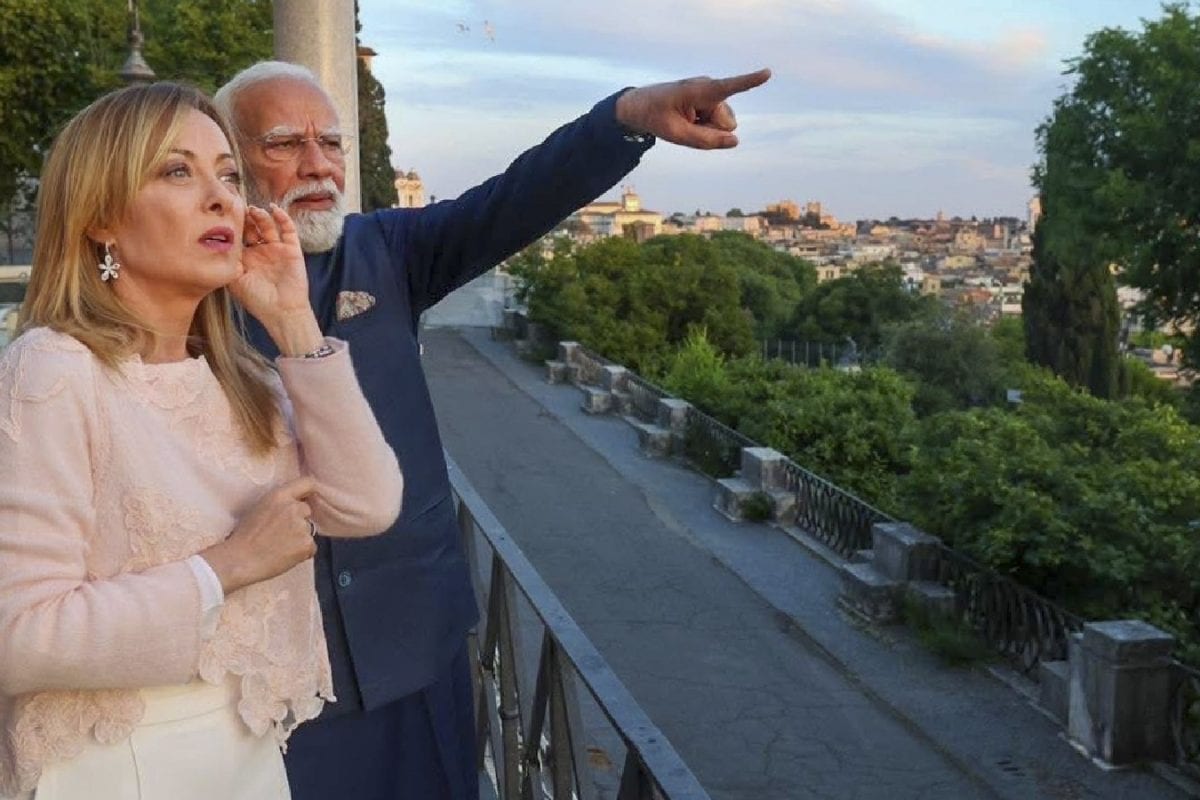
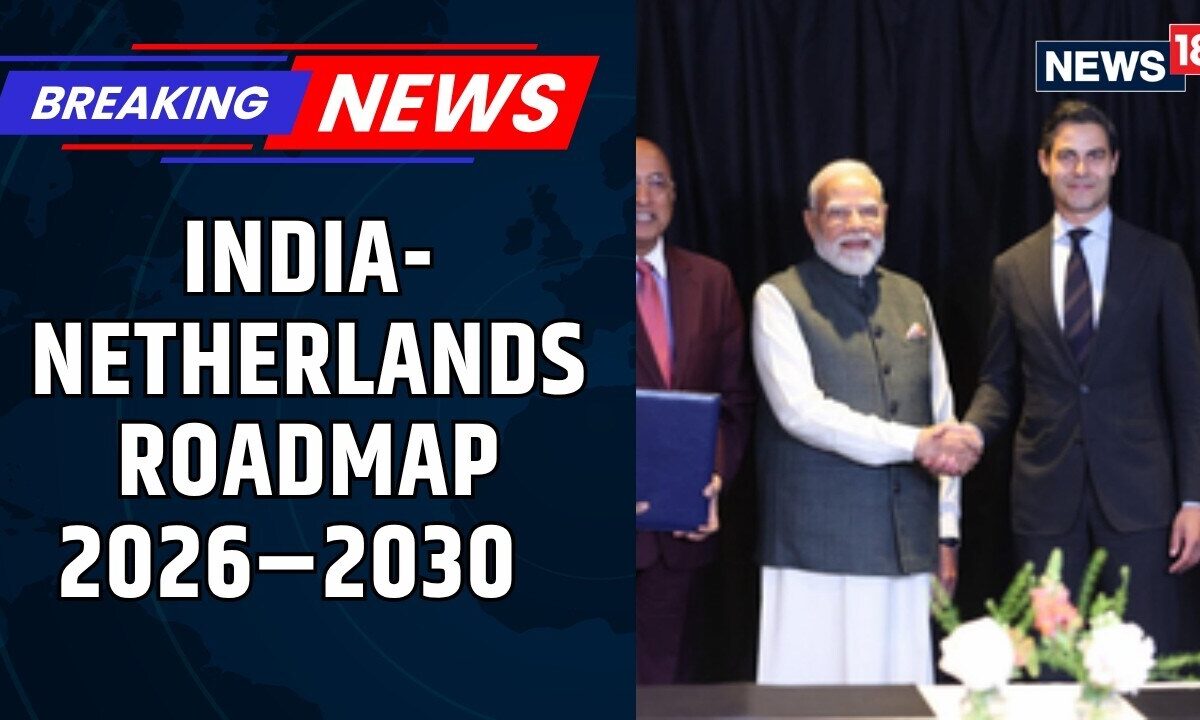
Welcome to News Periscope! Today, we bring you two major developments spanning corporate India and the nation’s tech future.First, big news coming in from Tata Sons: Noel Tata has called the board's vote re-appointing N Chandrasekaran as Chairman "illegal" and recorded his dissent, setting the stage for a major challenge within the conglomerate. We bring you all the details behind this vote and what it means for Tata Group. Next, Prime Minister Narendra Modi inaugurated SEMICON India 2026 at Yashobhoomi, New Delhi. PM Modi interacted directly with semiconductor innovators, chip designers, and industry leaders, highlighting India’s rapid progress toward becoming a global chip manufacturing hub. N18oc_indian18oc_worldCNN-News18 is your trusted source for breaking news, updates, and in-depth analysis from around the world. CNN-News18 is dedicated to bringing you the latest news, trends, and insights, helping you stay informed and up-to-date. Subscribe Now and join our community of informed and engaged viewers. Follow Every Breaking Story LIVE Watch News18 LIVE 24x7: https://youtube.com/live/rfDx1HMvXbQFollow us on Google: news18.co/cn18gFollow CNN News18 on X: https://x.com/CNNnews18Follow CNN News18 on Instagram: https://www.instagram.com/cnnnews18/Follow CNN News18 on Facebook: facebook.com/cnnnews18 with latest headlines on politics, sports and entertainment on news18.comNews18 Mobile App - https://onelink.to/desc-youtube

The quiet campaign to stop Kamala 2028 is growing louder
Sep 17, 2026
The quiet campaign to stop Kamala 2028 is growing louder

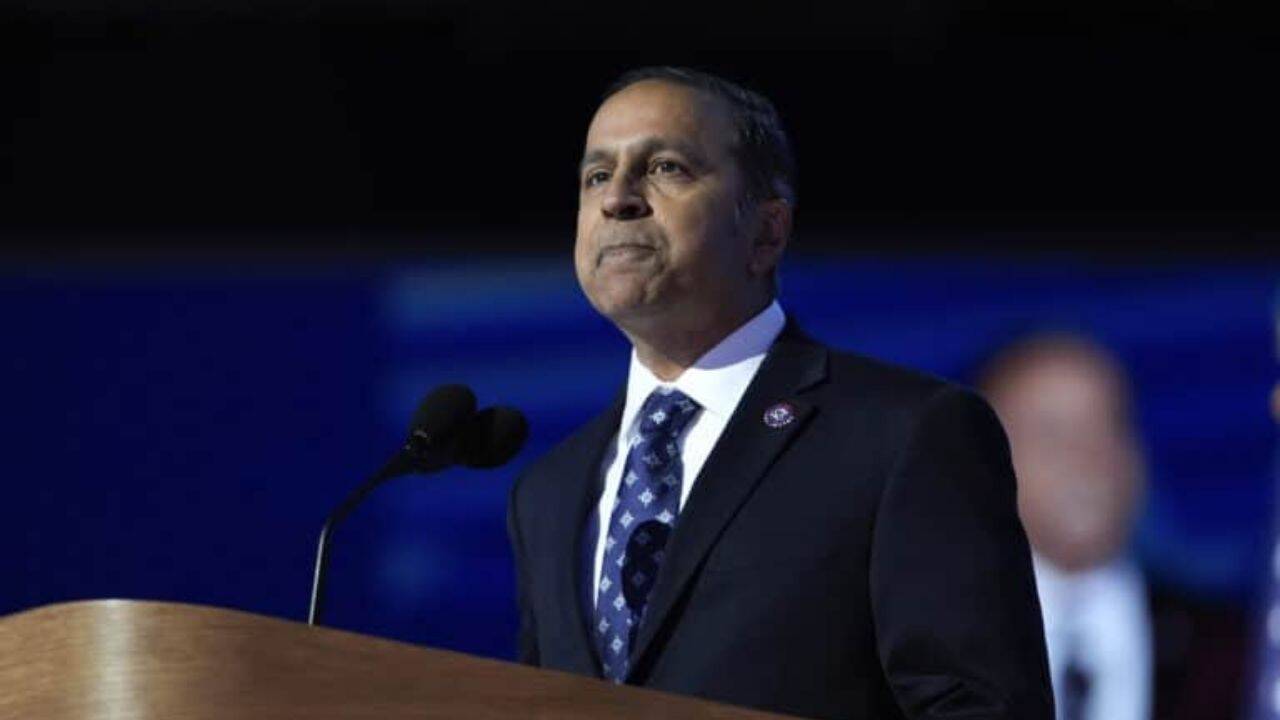
Will Kamala Harris run for president in 2028? | Juan Ocampo/NBAE via Getty Images Welcome to The Midterms, Actually. Every week I’ll be writing about two things: one big idea or trend I see forming across the 2026 primaries, and one thing I’m hearing from a voice on the ground. You can sign up here to get it in your inbox every week. Let’s get into it. One big idea: It’s decision time for Kamala Harris On Wednesday, LinkedIn co-founder and Democratic Party megadonor Reid Hoffman threw cold water on the prospect of a 2028 presidential campaign from former Vice President Kamala Harris. “I think it would be a very challenging path for her and it’s going to be a very noisy field,” Hoffman said when asked at a Politico event in Washington, DC, whether Harris should run again. His statement comes the same week CNN aired an interview with California Gov. Gavin Newsom, who told Jake Tapper (while fly-fishing?) that he would not run for president if Harris did so — a curious move from someone who swung through South Carolina barely two weeks ago, and who has long been treated as a presumed frontrunner for 2028. Taken together — and thinking back to our America, Actually episode on the question of whether Harris will run — I think you’re seeing the early stages of what I’d call a light public pressure campaign. Let me explain: Harris has been curiously mum on most things politics since 2024, but it’s clear she wants to be taken seriously as an option for 2028 and has weighed in from time to time on issues (this week it was AI safety). When we recorded our episode in June, her allies emphasized two political points over and over: She’s leading the early 2028 polls, and nobody has supplanted her with the two groups that anchor the Democratic base, Black voters, and women. But they stressed something else, too. Her former communications director Jamal Simmons told me Harris “should do what makes her happy,” and that “she’s earned the place to run, earned the right to run.” Harris surrogate Erin Wilson put it more sharply: “The idea that she does not deserve the opportunity to make that decision — or that she does not deserve the opportunity to put an infrastructure in place beyond the construct of 107 days — I think is incredibly unfair.” To me, it seemed the group was less interested in making the case that Harris should run in 2028, and more interested in pushing back against an emerging elite consensus that she shouldn’t. They were fighting for the right for her to choose for herself, without Washington input or pressure from the media. And it came with an implicit acknowledgment: They understood that the party’s biggest donors, whose money and access shape much of the early stages of a presidential race, had moved on from Team Harris. Hoffman’s statement is particularly notable because of the ideological lane he occupies. He’s not just any rich Democrat — he’s bankrolled several of the party’s newest post-2024 ventures, from the abundance-adjacent WelcomeFest crowd to the $10 million he put behind a super PAC boosting James Talarico’s Senate bid in Texas this summer. If Hoffman’s asking Harris to move on, that’s likely representative of the larger left-of-center apparatus, which is looking for a unifying contender who can fend off a challenge from the activist left in 2028. Here’s what John Morgan, another big Democratic donor, told me about Harris over the summer: I do not [want her to run]. I think that everything associated with the Biden administration needs to be put to the side and moved on. … I just think that everything that happened has left a bad taste, and we need a fresh start on that side of the aisle. As Morgan also pointed out, this was once a group that backed Harris — or at least was initially open to her, even dating back to her first presidential run. Now, he says, the math doesn’t work: I don’t think the money would come to her and the votes wouldn’t come. … Her natural base is gonna be California, and she’s gonna be competing heavily with Gavin Newsom in California. So they’re gonna be kind of cannibalizing each other’s donors. Which brings us to Newsom, another left-of-center Bay Area Democrat with a long history of friendly rivalry with Harris who surely knows these donors have had a change of heart. He knows the Reid Hoffmans and John Morgans want a fresh face. He also knows Harris’s allies are right: Just as we heard in South Carolina, Harris maintains favorability among Southern Black voters specifically, and they’re likely the most important voting bloc of any Democratic presidential primary.  And remember, candidate timing matters: A former vice president with universal name recognition like Harris could take a playbook from Joe Biden, who let Democrat after Democrat announce before he finally entered the 2020 race in April 2019. (And I imagine Newsom also watched Harris freeze the California governor’s race for months — leaving state Democrats in the dark as she decided whether or not to enter.) So what’s a governor to do?  Here’s what I think is happening this week: Newsom is putting pressure on Harris to make a decision early. And in doing so, he gives donors an incentive to make clear what they’re saying privately: They don’t want Kamala Harris to run. It’s cynical, but that’s politics — and I think it’s a much more likely scenario than the one where Newsom earnestly gives up his agency to a longtime political rival. And notably, while the headlines focused on his pledge not to run if Harris gets in the race, I think the setup to it was even more telling. Before making the pledge, Newsom volunteered his own doubt that there will be anything to defer to: “I don’t know if she runs, but we’ll see. But I wouldn’t run if she ran.” Democrats know Harris’s decision will have a big domino effect on the rest of the race — so much so that it’s worth getting answered early (meaning: as soon after the midterms as possible). But the comments from Newsom, Hoffman, and others should be instructive to Team Harris — and anyone who wants her to mount another presidential campaign.  This would not be 2020, or even 2024; if Harris were to run, she would likely do so without much support from the major liberal institutions or the left-of-center donors. In a time of anti-elite backlash and grassroots anger at things like the rise of artificial intelligence and corporate consolidation, that could be an opportunity to embrace a more populist, bottom-up message. There’s just one problem: Is that who Kamala Harris is? What I’m hearing This week I talked to Sean Scott, a reporter following faith, immigration, and politics for the Maine Monitor. I wanted to ask him about how the Senate race is playing out from a local perspective — and specifically about how issues like immigration have manifested on the campaign trail. There’s been so much focus on the candidates in the Maine Senate race — but you’ve been tracking some of the issues that have locally shaped the race. What’s one that has come up in Maine? And how has it played out?  Immigration policy has been a big issue in Maine this year, and it came to a head this summer after ICE agents shot and killed 26-year-old Johan Sebastián Durán Guerrero in Biddeford. The shooting occurred shortly after former Democratic Senate candidate Graham Platner had dropped out of the race because of sexual assault allegations, and many of the Democrats vying to replace him went to Biddeford to speak out against the Trump administration’s approach to immigration enforcement. This included the eventual nominee, Troy Jackson, who said ICE should be dismantled. Republican Sen. Susan Collins, meanwhile, has drawn scrutiny for her role in negotiating funding for DHS. Protesters stormed her Biddeford office the day of the shooting, calling for her to be voted out. Collins has said she’s pushing for reforms within the immigration agency, and said she asked ICE officials to prioritize Maine as they rolled out body cameras. But the investigation into the fatal shooting is still ongoing, and I think many Mainers are waiting to see if the agency will be held accountable. Donald Trump’s push for hardline immigration enforcement has been deeply unpopular. Are there any surprising coalitions that have developed in Maine in response? I cover religion, and one thing that has been really interesting to me this year is the way coalitions of progressive faith leaders have responded to the administration’s mass deportation efforts. This was especially visible during the federal immigration enforcement surge Maine saw in late January. Faith leaders formed a “human wall” outside a business with an immigrant workforce to try and protect them. Nine faith leaders were arrested for trespassing during a pray-in at Sen. Collins’s Portland office, calling for her to vote against any DHS spending bill that would maintain funding for ICE. Faith leaders were instrumental in coordinating mutual aid efforts to help families who were afraid to leave their homes — one minister told me she collected rugs for an immigrant family with young children living in an apartment, worried that a noise complaint could lead to their detention. And a multifaith coalition held a weekly vigil at the jail in Portland for months while immigration detainees were being held there. That jail ended its contract with ICE in April. Just last week, a coalition of clergy from different faiths in Bangor came together to demand that a landlord terminate a lease with ICE. You’ve been following the rise of Turning Point USA in Maine and the network of evangelical churches that has been central to that rise. How intertwined is the conservative faith community with Republican politics in Maine?  Maine is one of the least religious states in the country, so it isn’t always front of mind for people. But I reported this spring on one network of evangelical churches that has taken an increasingly active role in politics in recent years, and on h

Recommended

Expert Features

The Expert Features reports on the issues and the world’s everyday news. Handled by experts in different niches, you will find different subjects and perspectives.